Residential Utility Locator CO
You called 811 before your project, so you're covered, right? Not quite. 811 only marks the utility company's side of the line, up to your meter. Everything past that, the gas line to your grill, the wire to your shed, the sprinkler system under your lawn, is yours to find before you dig, plant, or pour. That's what a residential utility locator does, and it's the difference between a project that goes smoothly and a repair bill you didn't plan for.
HPLS marks private utilities at homes across Colorado, from Parker out to the Denver metro and beyond. One flat price, one technician, no call center in between, so you know exactly what's under your yard and what it'll cost to find out.
Why 811 Doesn't Mark Everything in Your Yard
811 exists to protect public infrastructure, the pipes and wires that belong to the utility company. Once a line crosses onto your property and past the meter, it becomes private, and private lines aren't part of the 811 system at all. That's the gap residential private utility locating fills. Knowing that gap exists before you dig is what keeps a weekend project from turning into a repair bill.
What Getting This Right Protects You From
- Electric lines to the house, garage, or shed. Hit one and you're paying for the repair yourself, on top of losing power until it's fixed.
- Gas lines past the meter. A nicked gas line means an evacuated yard and a call to the fire department, not a quick patch job.
- Water and sprinkler lines. These sit shallow and break easily under a shovel, and tracing a leak after the fact costs more than the locate did.
- Communications and cable lines. Sever one and you're stuck troubleshooting a dead internet connection with your provider for days.
- Propane tank lines. These carry real risk if struck, and they're never covered by the public 811 locate.
Common Reasons Homeowners Call Us
Most calls come in right before a project starts, not after something goes wrong. That's the idea.
- New fence line. Post holes tend to land right along the property boundary, exactly where private lines usually run.
- Patio, driveway, or slab pour. Once the concrete is down, finding a problem underneath means breaking it back out.
- Tree planting or landscaping. Roots and shovels go deeper than most people expect.
- Sprinkler system installs or repairs. You're often digging parallel to lines that are already buried there.
- Deck or pergola footings. Footing holes typically go deeper than a fence post ever would.
- Mailbox post replacement. A surprisingly common spot for a hit line, since it sits so close to the street.
- In-ground pool installation. The dig is large enough that missing a line stops being a risk and becomes a certainty.
If you're pouring concrete rather than digging into open dirt, a locate alone might not be enough. Our concrete scanning service picks up what's inside the slab itself before anyone drills or cores.
What Happens When We Come Out
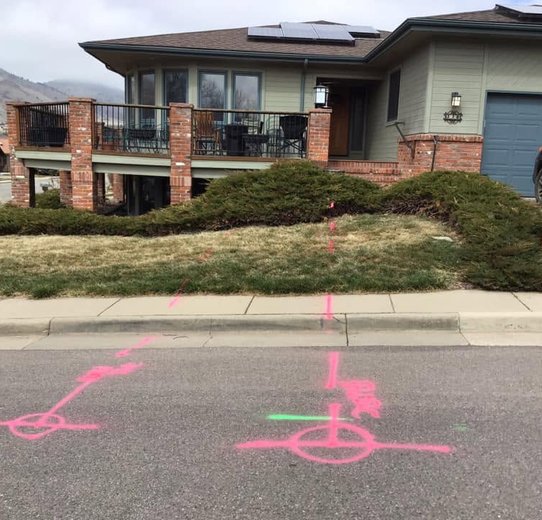
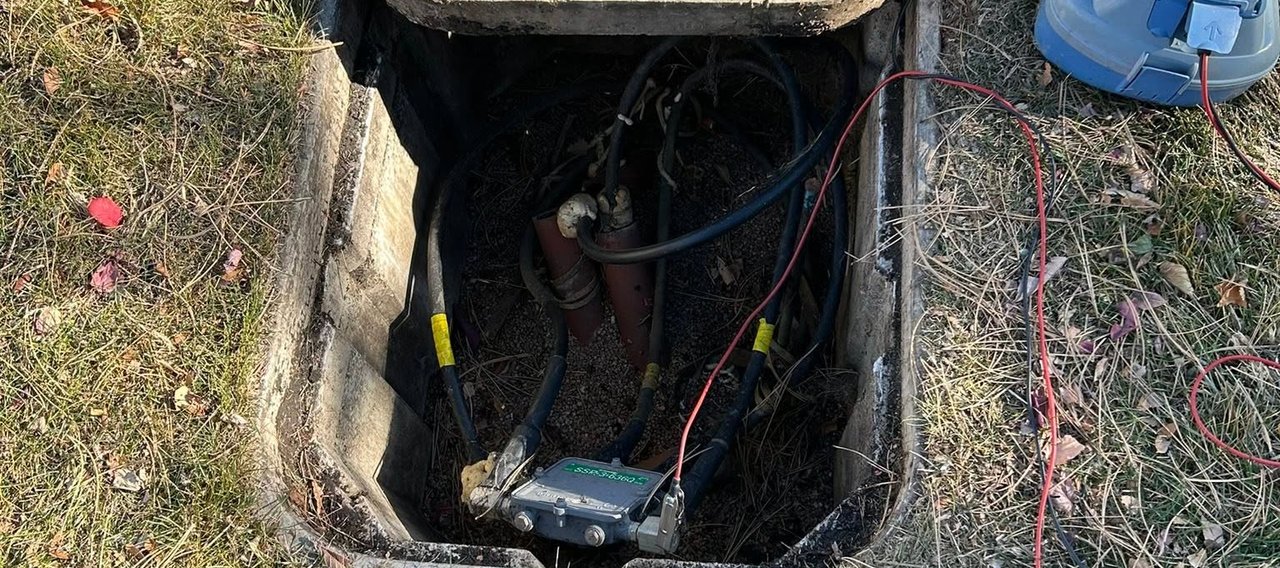
A technician walks the property first, checking any visible meters, panels, or valve boxes to get a sense of what's already known. From there, the equipment goes to work tracing each private line and marking it directly on the ground with paint or flags, color-coded by utility type. Most residential lots take under an hour. You'll get a walkthrough of what was found before the technician leaves, not a report emailed three days later.
Know the Cost Before Anyone Touches a Shovel
$200 flat covers the full lot: power, water, gas, communications, and irrigation where it applies. No estimate that changes once the truck shows up. Sewer isn't part of a residential locate, since it needs different equipment entirely than what marks the lines above ground level. Emergency and after-hours visits are available too, at a higher call-out fee, if a project can't wait for the next open slot.
Built for Homeowners, But Contractors Call Too
The name points at homeowners on purpose, so the people who need this most can actually find it. That doesn't mean contractors get turned away. If you're a crew working a residential lot on someone else's behalf, the pricing and process look a little different, and our commercial locating page covers what applies to you.
Quick Questions
How fast can you get to my property?
Most residential locates are scheduled same-day or within 24 hours.
What if I hit something before you get there?
Stop digging and call. If a line's already damaged, our fault finding page covers what comes next.
Call or text (720) 318-1541 for the fastest response, or send your address through the contact form and we'll get back to you the same day.